
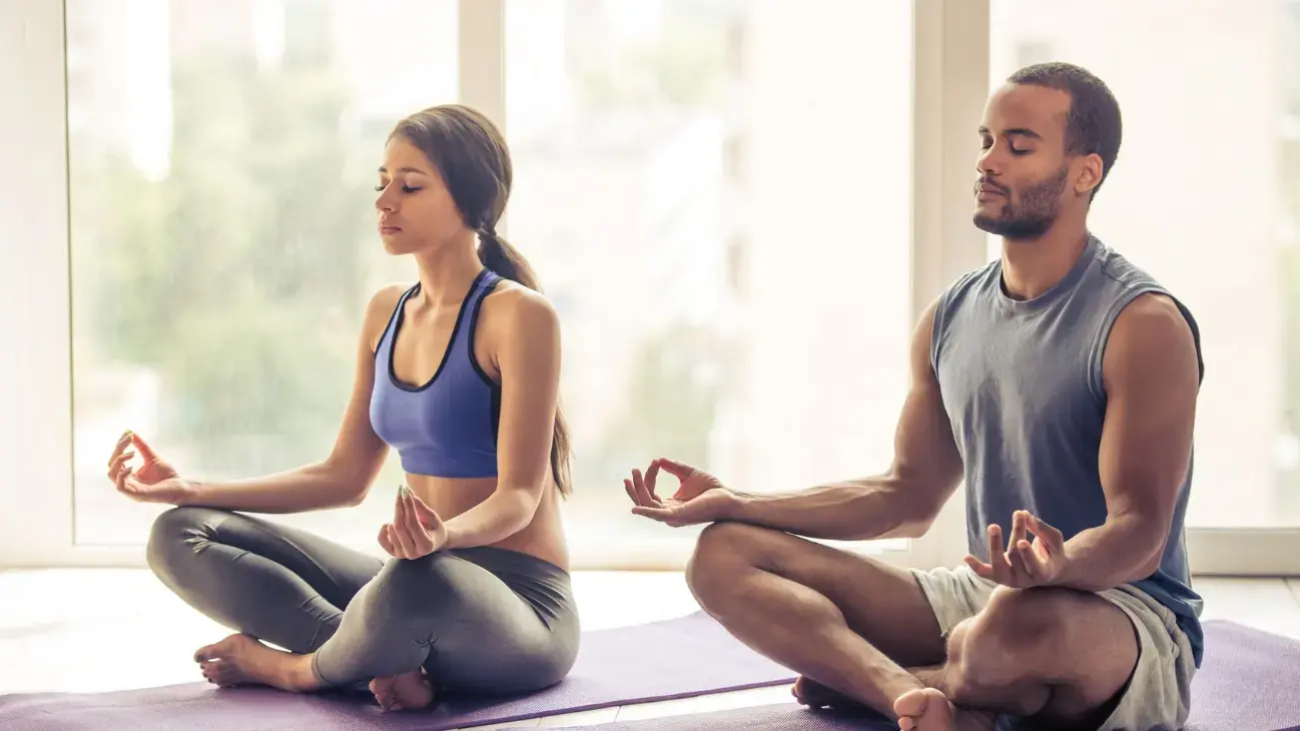
Starting your day with yoga can help you feel more energized, focused, and centered. A gentle morning yoga routine sets the tone for the rest of the day by reducing stress and enhancing flexibility. If you’re new to yoga or looking for quick, effective poses to incorporate into your morning routine, here are 5 simple yoga poses that will leave you feeling refreshed and ready to take on the day!
1. Cat-Cow Pose (Marjaryasana-Bitilasana)
The Cat-Cow Pose is a great way to wake up your spine, relieve tension, and warm up your body. This flowing movement combines two poses to increase flexibility in your back, improve posture, and stimulate blood circulation.
How to do it:
- Start on your hands and knees in a tabletop position, with your wrists aligned under your shoulders and knees under your hips.
- Inhale as you arch your back, lifting your chest and tailbone toward the ceiling (Cow Pose).
- Exhale as you round your spine, tucking your chin toward your chest and bringing your navel toward your spine (Cat Pose).
- Repeat for 5-10 rounds, moving slowly and mindfully.
2. Downward-Facing Dog (Adho Mukha Svanasana)
Downward-Facing Dog is one of the most well-known yoga poses, and for good reason. This pose stretches your hamstrings, calves, and shoulders while building strength in your arms and core. It’s a full-body stretch that helps increase blood flow and invigorates the body, making it perfect for morning practice.
How to do it:
- Begin on your hands and knees with your wrists under your shoulders and knees under your hips.
- Lift your hips toward the ceiling, straightening your legs and bringing your heels toward the floor.
- Press your hands firmly into the mat, and gently press your chest back toward your thighs.
- Hold the pose for 5-10 breaths, then slowly release.
3. Child’s Pose (Balasana)
Child’s Pose is a resting yoga posture that helps calm the mind and stretch the lower back, hips, and thighs. This pose is especially helpful if you’re feeling tight or stiff in the morning, as it allows your body to relax and reset.
How to do it:
- Start on your hands and knees, then sit back onto your heels while extending your arms forward on the mat.
- Keep your forehead on the floor, and let your body relax into the stretch.
- Stay in this pose for 30 seconds to 1 minute, breathing deeply and allowing any tension to melt away.
4. Mountain Pose (Tadasana)
Mountain Pose is a foundational standing pose in yoga that helps improve posture, balance, and alignment. Practicing Tadasana in the morning helps you set a strong foundation for your day and improves body awareness.
How to do it:
- Stand tall with your feet together and arms at your sides.
- Press your feet evenly into the ground, engage your thighs, and lift through the crown of your head.
- Keep your chest open and your shoulders relaxed, drawing them away from your ears.
- Hold for 5-10 breaths, feeling grounded and stable.
5. Seated Forward Fold (Paschimottanasana)
The Seated Forward Fold is a calming pose that stretches the hamstrings, lower back, and spine. It’s perfect for gently lengthening the body and releasing any tension accumulated overnight.
How to do it:
- Sit on the floor with your legs extended straight in front of you and your feet flexed.
- Inhale, lengthening your spine and reaching your arms overhead.
- Exhale as you fold forward from your hips, reaching for your feet or shins.
- Hold for 30 seconds to 1 minute, breathing deeply and allowing your body to relax deeper into the stretch.
Tips for a Successful Morning Yoga Practice:
- Start Slow: Begin with gentle stretches and gradually move into more challenging poses as your body wakes up.
- Breathe Mindfully: Focus on deep, controlled breaths to help calm your mind and deepen your stretches.
- Stay Consistent: Incorporate these poses into your daily morning routine for the best results. Even 10-15 minutes of yoga can make a big difference.
- Listen to Your Body: Pay attention to how your body feels and adjust the poses as needed.