
Why tulsi is beneficial?

Why tulsi is beneficial?

Tulsi, also known as holy basil, is revered in Indian culture and Ayurveda for its incredible health benefits. Known as the “queen of herbs,” tulsi is not just a sacred plant in households but also a powerhouse of medicinal properties. Packed with antioxidants, anti-inflammatory compounds, and essential nutrients, tulsi offers numerous health benefits for the body and mind. In this article, we’ll explore why tulsi is so beneficial and how you can incorporate it into your daily routine.

1. Boosts Immunity

Tulsi is a natural immune booster. Its leaves are rich in antioxidants and essential oils that help the body fight infections.

Benefits for Immunity:

  • Protects against viral, bacterial, and fungal infections.
  • Strengthens the immune response to common illnesses like colds and flu.
  • Contains phytochemicals that enhance overall immunity.

How to Use:

  • Drink tulsi tea daily to boost your immune system.
  • Chew 2-3 fresh tulsi leaves every morning.

2. Reduces Stress and Anxiety

Tulsi is known as an adaptogen, which means it helps the body adapt to stress. Its calming properties make it an effective natural remedy for anxiety and mental fatigue.

Stress-Relief Benefits:

  • Reduces cortisol (stress hormone) levels.
  • Promotes relaxation and mental clarity.
  • Helps manage symptoms of depression and anxiety.

How to Use:

  • Brew tulsi tea with honey and lemon for a calming effect.
  • Inhale tulsi essential oil to relieve stress.

3. Improves Respiratory Health

Tulsi is a powerful remedy for respiratory issues. It helps clear congestion, reduces inflammation, and soothes the throat.

Respiratory Benefits:

  • Provides relief from colds, coughs, and bronchitis.
  • Reduces symptoms of asthma and other respiratory disorders.
  • Acts as an expectorant to clear mucus from the airways.

How to Use:

  • Prepare tulsi tea with ginger and honey for respiratory relief.
  • Boil tulsi leaves in water and inhale the steam.

4. Promotes Heart Health

Tulsi supports cardiovascular health by improving blood circulation and reducing cholesterol levels.

Heart-Healthy Benefits:

  • Lowers bad cholesterol (LDL) and increases good cholesterol (HDL).
  • Helps regulate blood pressure.
  • Protects the heart from oxidative stress and inflammation.

How to Use:

  • Add fresh tulsi leaves to your meals or salads.
  • Drink tulsi-infused water regularly for heart health.

5. Enhances Digestion

Tulsi is excellent for gut health. Its natural compounds help improve digestion, reduce bloating, and alleviate stomach discomfort.

Digestive Benefits:

  • Stimulates the production of digestive enzymes.
  • Reduces acidity and promotes better nutrient absorption.
  • Helps in managing digestive disorders like IBS and indigestion.

How to Use:

  • Drink tulsi tea after meals to aid digestion.
  • Chew tulsi leaves to soothe stomach discomfort.

6. Fights Infections

Tulsi’s antibacterial, antiviral, and antifungal properties make it an effective natural remedy for infections.

Infection-Fighting Benefits:

  • Prevents infections in the respiratory, urinary, and skin systems.
  • Speeds up wound healing and reduces the risk of infections.
  • Protects against oral infections and promotes dental health.

How to Use:

  • Gargle with tulsi-infused water to prevent oral infections.
  • Apply tulsi paste to minor wounds or cuts.

7. Regulates Blood Sugar Levels

Tulsi is highly beneficial for individuals with diabetes. It helps regulate blood sugar levels and improves insulin sensitivity.

Diabetes Management Benefits:

  • Lowers fasting and post-meal blood sugar levels.
  • Reduces the risk of diabetes-related complications.
  • Improves metabolism and weight management.

How to Use:

  • Consume tulsi tea or fresh leaves daily to manage blood sugar.
  • Use tulsi supplements after consulting a healthcare professional.

8. Promotes Skin and Hair Health

Tulsi is a natural remedy for skin and hair problems, thanks to its anti-inflammatory and antibacterial properties.

Skin Benefits:

  • Reduces acne and blemishes.
  • Soothes skin irritations and rashes.
  • Delays signs of aging by reducing oxidative stress.

Hair Benefits:

  • Prevents dandruff and scalp infections.
  • Promotes stronger and healthier hair growth.
  • Reduces hair fall caused by stress or scalp issues.

How to Use:

  • Apply tulsi paste to your skin or scalp for targeted benefits.
  • Add tulsi water to your bath for glowing skin.

9. Detoxifies the Body

Tulsi helps detoxify the body by flushing out toxins and purifying the blood.

Detoxification Benefits:

  • Promotes kidney and liver health.
  • Reduces the harmful effects of pollution and toxins.
  • Improves overall energy levels and vitality.

How to Use:

  • Drink tulsi-infused water or juice for detoxification.
  • Include tulsi in your diet regularly.

10. Natural Remedy for Fever and Headaches

Tulsi is a traditional remedy for reducing fever and soothing headaches. Its natural anti-inflammatory and antipyretic properties provide quick relief.

How It Helps:

  • Reduces fever by lowering body temperature.
  • Relieves headaches caused by sinusitis, stress, or migraines.

How to Use:

  • Boil tulsi leaves with cardamom and drink the decoction.
  • Use tulsi essential oil for a relaxing head massage.

Struggling to get rid of stubborn belly fat? Cinnamon, the aromatic spice loved for its warm and sweet flavor, may hold the key to achieving a flatter stomach. Known for its metabolism-boosting and fat-burning properties, cinnamon can be a game-changer for those looking to lose weight naturally. This humble spice is rich in antioxidants and helps regulate blood sugar levels, which are crucial for fat loss. In this article, we’ll explore how cinnamon can aid in reducing belly fat and the best ways to incorporate it into your diet.
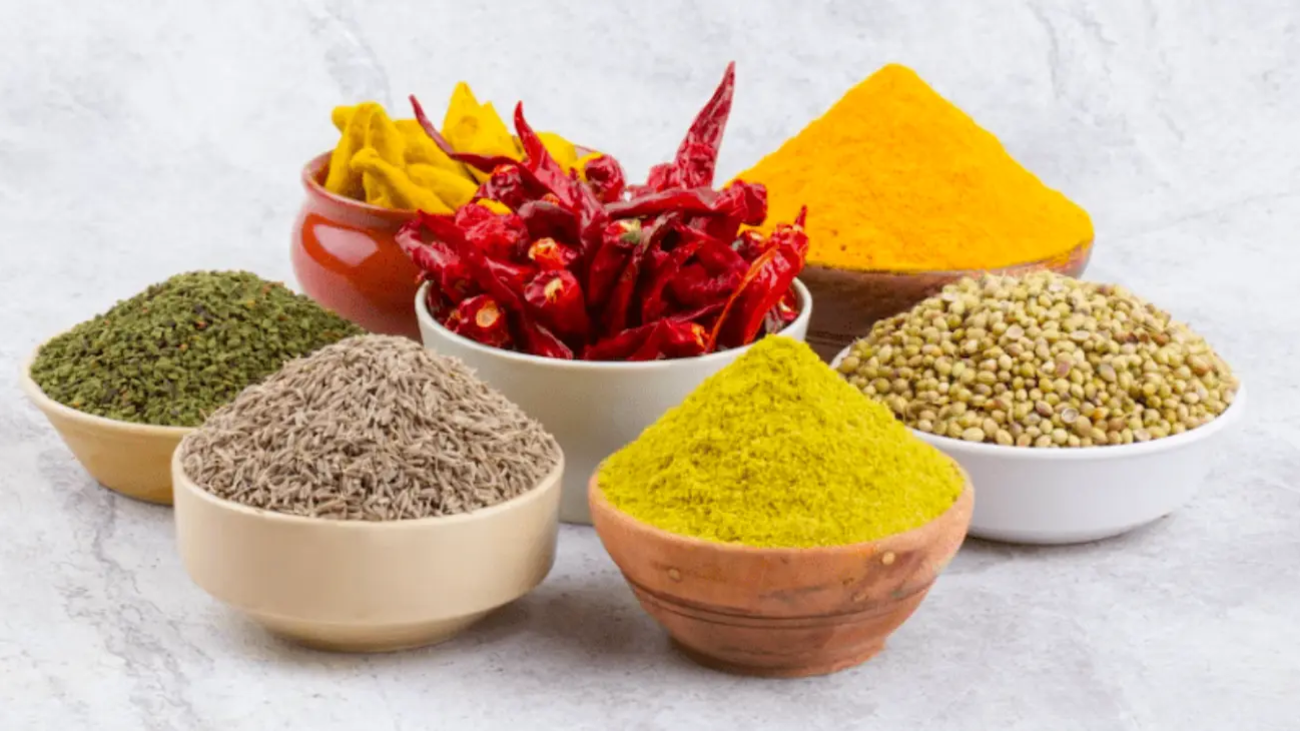

Benefits of Spices for Boosting Immunity Nature (3)

Benefits of Spices for Boosting Immunity: Nature

Spices are more than just flavor enhancers for your meals. Packed with powerful nutrients and bioactive compounds, they have been used for centuries in traditional medicine to support health and well-being. Many spices are rich in antioxidants, anti-inflammatory agents, and immune-boosting properties, making them an essential part of a healthy lifestyle. In this article, we’ll explore how common kitchen spices can help strengthen your immune system and protect you from illnesses.

1. Turmeric: The Golden Healer

Turmeric, often called the “golden spice,” contains curcumin, a compound with potent anti-inflammatory and antioxidant properties. Curcumin helps boost the production of white blood cells, which are essential for fighting infections.

Immunity Benefits:

  • Reduces inflammation, which is key to preventing chronic diseases.
  • Protects against viral and bacterial infections.
  • Enhances antibody response in the body.

How to Use:

  • Add turmeric powder to milk (golden milk) or teas.
  • Incorporate it into curries, soups, or rice dishes.

2. Ginger: Nature’s Immune Booster

Ginger is known for its powerful antibacterial and antiviral properties. It also contains gingerol, a compound that helps reduce inflammation and fight off harmful pathogens.

Immunity Benefits:

  • Helps in fighting colds and flu by soothing the respiratory tract.
  • Enhances digestion, which is directly linked to a stronger immune system.
  • Reduces oxidative stress, promoting overall health.

How to Use:

  • Brew fresh ginger tea with honey and lemon.
  • Add grated ginger to stir-fries, soups, or smoothies.

3. Cinnamon: The Sweet Protector

Cinnamon is a versatile spice loaded with antioxidants that combat free radicals in the body. It also has antimicrobial properties, helping to prevent infections.

Immunity Benefits:

  • Reduces inflammation and supports heart health.
  • Helps regulate blood sugar, which is important for maintaining overall health.
  • Protects against respiratory infections.

How to Use:

  • Sprinkle cinnamon powder on oatmeal, yogurt, or coffee.
  • Add it to baked goods or warm drinks like tea and hot chocolate.

4. Garlic: A Natural Antibiotic

Garlic has been celebrated for its medicinal properties for centuries. It contains allicin, a sulfur compound with strong immune-boosting effects.

Immunity Benefits:

  • Fights bacterial, viral, and fungal infections.
  • Enhances the production of immune cells like T-cells and macrophages.
  • Reduces the severity of colds and flu.

How to Use:

  • Use fresh garlic in cooking for maximum benefits.
  • Crush a clove and mix it with honey for a quick immune boost.

5. Black Pepper: The Immunity Enhancer

Known as the “king of spices,” black pepper contains piperine, a compound that enhances the absorption of nutrients like curcumin from turmeric.

Immunity Benefits:

  • Boosts the bioavailability of other immune-boosting nutrients.
  • Has antibacterial and anti-inflammatory properties.
  • Helps in clearing respiratory congestion.

How to Use:

  • Sprinkle black pepper on salads, soups, and eggs.
  • Pair it with turmeric in teas or curries for enhanced benefits.

6. Cloves: The Powerful Antioxidant

Cloves are rich in antioxidants that help protect cells from damage caused by free radicals. They also have antibacterial properties that support oral and respiratory health.

Immunity Benefits:

  • Supports oral hygiene, preventing infections from spreading.
  • Aids in digestion, promoting gut health and immunity.
  • Provides relief from cold and flu symptoms.

How to Use:

  • Add whole cloves to tea, soups, or stews.
  • Use ground cloves in baked goods or spice blends.

7. Cardamom: The Digestive Aid

Cardamom is a fragrant spice known for its ability to support digestion and respiratory health. It contains compounds that help clear toxins and strengthen immunity.

Immunity Benefits:

  • Detoxifies the body, supporting immune function.
  • Helps clear respiratory congestion and improve breathing.
  • Provides antioxidants that protect against cell damage.

How to Use:

  • Add cardamom pods to tea or coffee.
  • Use it in desserts, curries, or rice dishes.

8. Fenugreek: The Nutrient Powerhouse

Fenugreek seeds are rich in vitamins and minerals that support overall health. They also have antiviral and antibacterial properties that help protect against infections.

Immunity Benefits:

  • Boosts metabolism and supports gut health.
  • Reduces inflammation in the body.
  • Fights respiratory infections and promotes easier breathing.

How to Use:

  • Soak fenugreek seeds overnight and consume them in the morning.
  • Use fenugreek powder in curries or soups.

Drink Turmeric Milk Daily for Better Immunity

Drink Turmeric Milk Daily for Better Immunity

In the quest for better health and a stronger immune system, many natural remedies have stood the test of time. One such remedy is turmeric milk, a golden drink that has been cherished for centuries in Ayurvedic medicine. Known for its potent anti-inflammatory, antibacterial, and antioxidant properties, turmeric milk is a simple yet powerful way to boost your immunity and improve overall health. In this article, we will explore the numerous benefits of drinking turmeric milk daily and how it can help strengthen your immune system naturally.

Benefits of Drinking Turmeric Milk for Immunity

  1. Powerful Anti-inflammatory Properties

Chronic inflammation can weaken the immune system, making the body more susceptible to infections and diseases. Curcumin, the active compound in turmeric, has potent anti-inflammatory properties that help reduce inflammation in the body. Drinking turmeric milk daily can help control inflammation, reduce the risk of chronic diseases, and enhance the body’s ability to fight infections.

  1. Boosts Immune Function

Turmeric is rich in antioxidants that fight free radicals in the body, protecting cells from damage and strengthening the immune system. Regular consumption of turmeric milk helps enhance the production of white blood cells, which are essential for immune defense. A stronger immune system means better protection against seasonal illnesses like colds, flu, and infections.

  1. Improves Digestive Health

A healthy gut is crucial for a strong immune system. Turmeric milk helps support digestive health by promoting the production of bile, which aids in the digestion of fats and overall gut health. Since about 70% of the immune system is found in the gut, a healthy digestive system is directly linked to better immunity. Drinking turmeric milk can help soothe the digestive tract and reduce bloating, indigestion, and constipation.

  1. Fights Infections and Germs

The antimicrobial and antibacterial properties of turmeric make it an excellent natural remedy for fighting infections. Drinking turmeric milk daily can help your body ward off harmful bacteria and viruses, reducing the chances of illness. The added benefit of ginger (another ingredient commonly used in turmeric milk) further enhances the drink’s germ-fighting properties.

  1. Enhances Respiratory Health

Turmeric milk can provide relief from respiratory issues such as coughing, sore throats, and congestion. The anti-inflammatory properties of turmeric help soothe the respiratory tract, reducing irritation and promoting easier breathing. Regular consumption of turmeric milk can help protect against respiratory infections, especially during colder months when the risk of flu and colds increases.

  1. Improves Skin Health

Curcumin in turmeric has been shown to have a positive effect on skin health. It helps fight skin infections, reduce acne, and promote a natural glow. Drinking turmeric milk daily can help reduce blemishes and improve overall skin texture. Moreover, the antioxidants in turmeric milk protect the skin from damage caused by free radicals and environmental stressors.

How to Make Turmeric Milk

Making turmeric milk is simple and quick. Here’s a basic recipe:

Ingredients:

  • 1 cup of milk (dairy or plant-based)
  • 1/2 teaspoon of turmeric powder
  • A pinch of black pepper (to enhance curcumin absorption)
  • 1 teaspoon of honey (optional, for sweetness)
  • A small piece of ginger (optional, for added flavor)

Instructions:

  1. Heat the milk in a small saucepan over medium heat.
  2. Add the turmeric powder and black pepper to the milk, stirring well.
  3. Let the mixture simmer for 3-5 minutes.
  4. Add honey and ginger if desired, and stir.
  5. Remove from heat and pour into a cup. Drink while warm.

For best results, drink turmeric milk before bed as it can also promote relaxation and help you sleep better.

When to Drink Turmeric Milk

  • Daily Consumption: Drinking turmeric milk once a day is sufficient to reap its immune-boosting benefits. The best time to drink it is before bed to help relax your body and promote restful sleep.
  • During Cold and Flu Season: Increase your intake of turmeric milk during cold and flu season to give your immune system extra support.
  • As Part of Your Morning Routine: Some people prefer drinking turmeric milk in the morning as a natural energy booster and digestive aid.
Home Remedies to Avoid Cold and Cough Naturally

Home Remedies to Avoid Cold and Cough Naturally

Cold and cough are common health issues that affect people, especially during the colder months. While over-the-counter medications are commonly used to relieve symptoms, many people prefer to use natural home remedies to prevent these ailments. Using simple, natural ingredients, you can strengthen your immune system and reduce the risk of catching a cold or cough. In this article, we will explore the best home remedies to avoid cold and cough and promote better respiratory health.

Why Do We Get Cold and Cough?

Cold and cough are caused by viral infections that affect the respiratory system. Exposure to cold weather, changes in temperature, and contact with infected individuals can increase your chances of catching these illnesses. A weakened immune system is one of the main reasons why some people are more susceptible to colds and coughs. Strengthening your immunity is the key to preventing these issues and maintaining good health.

Top Home Remedies to Avoid Cold and Cough

  1. Stay Hydrated with Warm Fluids

Drinking enough fluids is essential to maintaining a healthy immune system and preventing cold and cough. Hydration helps to keep the respiratory passages moist, making it easier to expel mucus and clear your throat. Drinking warm fluids, such as herbal teas, water with lemon, or warm broths, is especially beneficial.

How to Use:

  • Drink at least 8-10 glasses of water a day to stay hydrated.
  • Herbal teas made from ginger, peppermint, or lemon and honey are soothing and can help support your immune system.
  1. Garlic for Immune Support

Garlic has been used for centuries as a natural remedy for respiratory infections due to its potent antiviral and antibacterial properties. It contains allicin, which can help fight off viruses and boost immunity. Adding garlic to your daily diet can help prevent cold and cough by strengthening your body’s defenses.

How to Use:

  • Crush 1-2 cloves of garlic and mix it with honey or consume it raw.
  • You can also add garlic to soups, stews, or vegetable dishes for added immune support.
  1. Honey and Lemon for Throat Health

Honey has natural antibacterial properties, while lemon is packed with vitamin C, which supports the immune system. Together, they make an effective remedy to prevent cold and cough and to soothe a sore throat.

How to Use:

  • Mix 1 tablespoon of honey and the juice of half a lemon in a glass of warm water.
  • Drink this mixture twice a day to keep your throat healthy and reduce the risk of infection.
  1. Steam Inhalation to Clear Airways

Steam inhalation is a natural remedy to clear nasal congestion and soothe the throat. It can help reduce the irritation in the airways that can lead to cold and cough. The warmth of the steam also helps keep the throat moist and reduces inflammation.

How to Use:

  • Boil water in a pot, and carefully inhale the steam by leaning over it with a towel over your head to trap the steam.
  • Add a few drops of essential oils like eucalyptus or peppermint for added relief.
  1. Gargle with Saltwater

Gargling with saltwater is an effective way to soothe the throat and kill bacteria that may cause infections. It also helps loosen mucus, making it easier to clear your throat.

How to Use:

  • Mix 1 teaspoon of salt in a glass of warm water.
  • Gargle with this solution for 30 seconds, 2-3 times a day.
  1. Consume Ginger for Respiratory Health

Ginger is a powerful herb known for its anti-inflammatory and antimicrobial properties. It can help prevent the onset of cold and cough and relieve symptoms of a sore throat. Ginger also boosts blood circulation, which helps the body fight infections.

How to Use:

  • Add fresh ginger slices to hot water to make ginger tea.
  • You can also chew small pieces of raw ginger with honey to relieve throat irritation.
  1. Turmeric for Cold and Cough Prevention

Turmeric is rich in curcumin, a compound known for its strong anti-inflammatory, antibacterial, and antiviral properties. Regular consumption of turmeric can help strengthen your immune system and prevent infections that cause cold and cough.

How to Use:

  • Add 1 teaspoon of turmeric powder to warm milk to create a soothing drink known as “golden milk.”
  • You can also incorporate turmeric into your food, such as soups, curries, or smoothies.
  1. Get Enough Sleep

Adequate sleep is essential for a strong immune system. Lack of sleep can weaken your body’s ability to fight off infections, making you more susceptible to cold and cough. Ensuring you get 7-9 hours of sleep each night can help prevent these respiratory issues.

How to Use:

  • Stick to a consistent sleep schedule to ensure adequate rest.
  • Create a calming bedtime routine to promote better sleep quality.
  1. Practice Good Hygiene

Practicing proper hygiene is one of the most effective ways to avoid cold and cough. Viruses and bacteria can spread through the air and on surfaces, so washing your hands frequently and avoiding touching your face are crucial steps in preventing illness.

How to Use:

  • Wash your hands regularly with soap and water, especially after touching public surfaces or after coughing and sneezing.
  • Avoid close contact with infected individuals during cold and flu season.
  1. Avoid Cold Food and Drinks

Cold food and drinks, especially during the winter months, can weaken your respiratory system and increase the risk of catching a cold. It’s better to consume warm, nourishing food that supports your immune health.

How to Use:

  • Avoid ice-cold beverages and foods that can irritate your throat and stomach.
  • Opt for warm soups, teas, and broths that provide comfort and hydration.
Nutritious and Tasty Food for Kids

Nutritious and Tasty Food for Kids: A Parent’s Guide to Healthy Eating

Ensuring that kids receive the right nutrition while enjoying their meals can be a challenging task for many parents. Children often prefer taste over health, but with the right strategies, you can strike the perfect balance between nutritious and tasty food. Here’s how you can ensure your kids eat well and enjoy every bite!

Why Nutrition Matters for Kids

Proper nutrition is vital for children’s growth, development, and overall health. A balanced diet provides the energy and nutrients they need to:

  • Build strong bones and muscles
  • Boost their immune system
  • Improve concentration and learning ability
  • Prevent childhood obesity and chronic illnesses

Key Nutrients Kids Need

To maintain a healthy diet, ensure your child’s meals include:

  1. Proteins: Essential for growth and repair, found in lean meats, eggs, beans, and dairy products.
  2. Carbohydrates: Provide energy and are found in whole grains, fruits, and vegetables.
  3. Healthy Fats: Support brain development, available in avocados, nuts, seeds, and fish.
  4. Vitamins and Minerals: Strengthen immunity and support overall health. Sources include fresh fruits, leafy greens, and dairy products.
  5. Fiber: Improves digestion, available in whole grains, fruits, and vegetables.

Making Nutritious Food Tasty

It’s not enough to serve healthy food; it needs to be appealing. Here are some creative ideas to make nutritious food delicious and exciting for kids:

  1. Fun Shapes and Presentations: Use cookie cutters to make sandwiches or fruits into fun shapes. A visually appealing plate is more inviting.
  2. Smoothies: Blend fruits, yogurt, and a touch of honey to create delicious smoothies packed with nutrients.
  3. Hidden Veggies: Add grated vegetables to pasta sauces, soups, or homemade patties. Kids won’t even notice!
  4. Homemade Snacks: Make baked veggie chips, granola bars, or fruit popsicles as healthier alternatives to store-bought snacks.
  5. Interactive Meals: Let kids build their own tacos, pizzas, or wraps using healthy toppings. They’ll enjoy the process and eat better.

Meal Ideas for Kids

Here are some meal suggestions that are both nutritious and kid-approved:

  • Breakfast: Whole-grain pancakes with fresh fruit and a drizzle of honey
  • Lunch: Grilled chicken or tofu wraps with a side of carrot sticks and hummus
  • Snacks: Greek yogurt with granola and berries
  • Dinner: Baked salmon with sweet potato fries and steamed broccoli
  • Dessert: Banana and peanut butter slices topped with a sprinkle of dark chocolate chips

Tips to Encourage Healthy Eating Habits

  1. Be a Role Model: Kids mimic what they see. If you eat healthy, they’ll likely follow suit.
  2. Involve Them: Let your kids participate in meal planning and preparation. This makes them more interested in what they eat.
  3. Set a Routine: Regular meal and snack times help kids develop a healthy relationship with food.
  4. Offer Choices: Provide a variety of healthy options so kids can pick what they like.
  5. Limit Sugary Drinks and Snacks: Encourage water, milk, or natural fruit juices instead of sodas and sugary beverages.

Healthy Foods to Eat in Winter: Boost Your Immunity and Stay Warm

Winter brings chilly weather and shorter days, but it also brings an opportunity to enjoy nutrient-rich foods that can keep you warm, healthy, and energized. The colder months demand foods that provide warmth and strengthen the immune system. Here’s a list of the best healthy foods to eat in winter and their benefits.

1. Citrus Fruits: Nature’s Immune Boosters

Oranges, lemons, grapefruits, and limes are packed with vitamin C, which strengthens the immune system and helps fight colds and flu. The antioxidants in citrus fruits also promote healthy skin, keeping it hydrated during the dry winter months.

2. Root Vegetables: Full of Nutrients

Root vegetables like carrots, sweet potatoes, turnips, and beets are rich in vitamins, minerals, and fiber. These veggies are perfect for hearty soups and stews, providing both warmth and nutrition. Plus, they are easy to store and last throughout the season.

3. Leafy Greens: Winter’s Powerhouses

Spinach, kale, collard greens, and mustard greens are full of iron, calcium, and vitamin K. These greens also contain antioxidants that help fight off infections. Add them to salads, soups, or smoothies for a healthy winter diet.

4. Nuts and Seeds: Energy-Packed Snacks

Almonds, walnuts, flaxseeds, and chia seeds are great sources of healthy fats, protein, and omega-3 fatty acids. These provide sustained energy and support heart health. They make for excellent snacks or toppings for oatmeal and yogurt.

5. Winter Squash: Loaded with Vitamins

Butternut squash, acorn squash, and pumpkin are rich in beta-carotene, which converts to vitamin A in the body. They are excellent for improving vision and boosting immunity. Roast them or use them in soups and purees for a cozy winter meal.

6. Ginger and Garlic: Natural Healers

Ginger and garlic are known for their anti-inflammatory and antibacterial properties. Ginger can help soothe a sore throat and improve digestion, while garlic boosts immunity and enhances flavor in various dishes.

7. Whole Grains: Stay Warm and Full

Whole grains like oats, quinoa, and brown rice are rich in fiber and complex carbohydrates. They keep you full for longer, provide energy, and help maintain a healthy digestive system. Enjoy them in porridge, salads, or as side dishes.

8. Pomegranates: A Seasonal Delight

Pomegranates are loaded with antioxidants, vitamins, and minerals. They improve heart health and reduce inflammation. Enjoy them as a snack, in salads, or as juice to reap their benefits.

9. Hot Herbal Teas: Warmth in a Cup

Winter calls for warm beverages, and herbal teas like chamomile, peppermint, and ginger tea are excellent choices. They keep you hydrated, improve digestion, and help you relax during cold nights.

10. Dark Chocolate: A Healthy Indulgence

Dark chocolate with at least 70% cocoa is a winter treat that’s rich in antioxidants. It improves mood, boosts brain function, and supports heart health. Enjoy it in moderation to satisfy your sweet cravings.

Tips for Eating Healthy in Winter

Cook Warm Meals: Opt for soups, stews, and baked dishes that keep you cozy

Stay Hydrated: Drink plenty of water, herbal teas, and soups to stay hydrated.

Eat Seasonal Produce: Choose locally grown, seasonal fruits and vegetables for maximum nutrients.

Nutritious food options for fasting (1) (1) (1) (1) (3) (1) (1) (1)

Nutritious food options for fasting

Nutritious Food Options for Fasting: A Comprehensive Guide Fasting is a common practice in many cultures and religions, and it can also be a great way to detoxify your body and improve overall health. However, during fasting periods, it’s crucial to choose nutrient-rich foods that keep you energized and healthy. In this article, we’ll explore some of the best nutritious food options for fasting to help you maintain balance and

1. Hydration is Key

Before diving into food options, remember that staying hydrated is essential during fasting. Water, coconut water, and herbal teas are excellent choices. Adding a pinch of Himalayan pink salt to water can help replenish electrolytes and prevent dehydration.

2. Fruits and Vegetables

Fruits and vegetables are rich in vitamins, minerals, and antioxidants, making them perfect for fasting periods. Some excellent options include:

  • Bananas: High in potassium and energy-boosting natural sugars.
  • Apples: Provide fiber and natural sweetness to keep you feeling full.
  • Cucumbers: Hydrating and low in calories.
  • Sweet Potatoes: Packed with complex carbohydrates and beta-carotene.

3. Nuts and Seeds

Nuts and seeds are excellent sources of healthy fats, protein, and essential nutrients. They are ideal for keeping your energy levels stable during fasting. Consider these options:

  • Almonds: High in vitamin E and magnesium.
  • Chia Seeds: Rich in omega-3 fatty acids and fiber.
  • Walnuts: Great for brain health and loaded with antioxidants.
  • Flaxseeds: A good source of plant-based omega-3s and lignans.

4. Dairy Alternatives

If you consume dairy during fasting, opt for healthier alternatives like:

  • Greek Yogurt: High in protein and probiotics.
  • Almond Milk: Low in calories and fortified with calcium.
  • Paneer (Cottage Cheese): A good source of protein and calcium.

5. Whole Grains

For those observing fasts that allow grains, whole grains provide sustained energy. Options include:

  • Quinoa: A complete protein and rich in fiber.
  • Buckwheat: Gluten-free and high in antioxidants.
  • Brown Rice: A healthier alternative to white rice, providing complex carbohydrates.

6. Healthy Fats

Incorporate healthy fats into your diet to stay satiated longer. Some great options are:

  • Avocado: Packed with monounsaturated fats and potassium.
  • Coconut: Offers medium-chain triglycerides (MCTs) for quick energy.
  • Ghee (Clarified Butter): A traditional choice in many fasting diets, rich in fat-soluble vitamins.

7. Legumes and Lentils

If your fasting rules allow, legumes and lentils are excellent sources of plant-based protein and fiber:

  • Moong Dal (Green Gram): Easy to digest and nutrient-rich.
  • Chickpeas: A versatile option for soups and salads.

8. Herbs and Spices

Enhance the flavor and nutritional value of your fasting meals with herbs and spices:

  • Turmeric: Known for its anti-inflammatory properties.
  • Cumin: Aids digestion and adds a rich aroma.
  • Coriander: Refreshing and detoxifying.
  • Black Pepper: Enhances nutrient absorption.

9. Natural Sweeteners

For those who crave something sweet, opt for natural sweeteners instead of refined sugar:

  • Honey: Packed with antioxidants and has antimicrobial properties.
  • Dates: A natural source of energy and rich in essential minerals.
  • Jaggery: A traditional sweetener loaded with iron and other nutrients.

10. Easy-to-Make Recipes

Here are a few simple and nutritious recipes to try during fasting:

  • Fruit Salad with Chia Seeds: Mix your favorite fruits with a tablespoon of chia seeds and a drizzle of honey.
  • Quinoa Salad: Combine cooked quinoa with cucumbers, tomatoes, and a squeeze of lemon.
  • Sweet Potato Chips: Bake thinly sliced sweet potatoes with a sprinkle of salt and olive oil

Healthy breakfast ideas to start the day (1) (1)

Healthy breakfast ideas to start the day

Healthy Breakfast Ideas to Start the Day

A healthy breakfast sets the tone for the rest of the day, fueling your body and mind with essential nutrients. Skipping breakfast can leave you feeling sluggish, while a nutritious morning meal can boost energy levels, improve focus, and support overall well-being. Here are some healthy breakfast ideas to help you kickstart your day on the right note.

1. Overnight Oats

Overnight oats are a quick and convenient option for busy mornings. Simply mix rolled oats with your choice of milk or yogurt, add a sweetener like honey or maple syrup, and top it with fruits, nuts, or seeds. Let it sit in the refrigerator overnight, and you’ll wake up to a delicious, ready-to-eat meal rich in fiber and protein.

2. Avocado Toast with Eggs

Avocado toast is a trendy and nutritious choice. Spread mashed avocado on whole-grain toast and sprinkle it with a pinch of salt and pepper. Top it with a poached or scrambled egg for added protein. You can also add extras like cherry tomatoes, chili flakes, or a drizzle of olive oil.

3. Smoothie Bowls

Smoothie bowls are both nutritious and Instagram-worthy. Blend frozen fruits like bananas, berries, or mangoes with milk or yogurt until thick and creamy. Pour the smoothie into a bowl and garnish with granola, chia seeds, coconut flakes, and fresh fruits for a vibrant, nutrient-packed breakfast.

4. Greek Yogurt Parfait

Layer Greek yogurt with granola and fresh fruits like strawberries, blueberries, or kiwi for a quick and healthy breakfast. Greek yogurt is high in protein, while the fruits provide essential vitamins and antioxidants. Add a drizzle of honey or a sprinkle of nuts for extra flavor and crunch.

5. Veggie-Packed Omelette

An omelette loaded with vegetables is a great way to include more greens in your diet. Whisk eggs with a splash of milk, pour them into a hot skillet, and add chopped vegetables like spinach, bell peppers, onions, and mushrooms. Fold the omelette and serve with whole-grain toast or a side of avocado.

6. Chia Seed Pudding

Chia seed pudding is a versatile and nutritious option. Mix chia seeds with your choice of milk, add a natural sweetener, and let it sit in the refrigerator overnight. In the morning, stir well and top it with fresh fruits, nuts, or a dollop of nut butter for a creamy and satisfying meal.

7. Whole-Grain Pancakes

Swap traditional pancakes for whole-grain or oatmeal-based versions. Use whole-grain flour or oats as the base, and sweeten the batter with mashed bananas or applesauce. Serve with fresh fruits, a dollop of Greek yogurt, and a drizzle of pure maple syrup for a healthier twist.

8. Nut Butter Toast with Banana Slices

Spread almond or peanut butter on whole-grain toast and top it with banana slices. This combination is a great source of healthy fats, protein, and carbohydrates, keeping you full and energized throughout the morning.

9. Breakfast Burrito

Wrap scrambled eggs, black beans, avocado, and a sprinkle of cheese in a whole-grain tortilla. Add salsa or hot sauce for extra flavor. This portable breakfast is packed with protein, fiber, and healthy fats, making it a satisfying option.

10. Quinoa Breakfast Bowl

Quinoa isn’t just for lunch or dinner—it’s a great breakfast option too. Cook quinoa and mix it with almond milk, cinnamon, and a touch of honey. Top it with nuts, seeds, and fruits for a hearty and nutrient-dense meal.

Tips for a Healthy Breakfast

  • Plan Ahead: Prepare ingredients the night before to save time in the morning.
  • Balance Your Meal: Include a mix of protein, healthy fats, and carbohydrates for sustained energy.
  • Stay Hydrated: Start your day with a glass of water or herbal tea to rehydrate your body.
  • Limit Sugary Options: Choose natural sweeteners and avoid heavily processed breakfast items.

Incorporating these healthy breakfast ideas into your routine can make a big difference in how you feel throughout the day. Remember, breakfast is the most important meal of the day—so make it count!

5 healthy foods for better health (4)

5 healthy foods for better health

. Leafy Green Vegetables

Leafy greens like spinach, kale, and Swiss chard are nutrient powerhouses. Packed with vitamins A, C, and K, as well as minerals like iron and calcium, they help boost immunity, improve bone health, and support better digestion. Their high fiber content also keeps you feeling full and aids in weight management. Add them to salads, smoothies, or stir-fries for a healthful boost.

2. Berries

Berries such as blueberries, strawberries, and raspberries are not only delicious but also rich in antioxidants. These tiny fruits help combat free radicals in the body, reducing the risk of chronic diseases like cancer and heart disease. They’re also a great source of vitamin C and fiber. Enjoy them as a snack, in yogurt, or blended into a smoothie.

3. Nuts and Seeds

Almonds, walnuts, chia seeds, and flaxseeds are packed with healthy fats, protein, and essential nutrients. They’re excellent for heart health, brain function, and reducing inflammation. Omega-3 fatty acids in nuts and seeds can lower bad cholesterol levels and support healthy skin. Include a handful of these as a snack or sprinkle them over your meals.

4. Fatty Fish

Salmon, mackerel, and sardines are rich in omega-3 fatty acids, which are essential for heart and brain health. These healthy fats can help reduce inflammation, lower the risk of heart disease, and improve mental clarity. Fatty fish is also a great source of high-quality protein and vitamin D. Aim to include fatty fish in your meals at least twice a week.

5. Whole Grains

Whole grains like quinoa, brown rice, and oats are excellent sources of complex carbohydrates, fiber, and essential nutrients like B vitamins and magnesium. They help regulate blood sugar levels, improve digestion, and provide sustained energy throughout the day. Swap refined grains with whole-grain options for a healthier diet.

Easy Exercises to Lose Weight Your Guide to Shedding Pounds Effortlessly (1) (1)

Easy Exercises to Lose Weight: Your Guide to Shedding Pounds Effortlessly

Losing weight doesn’t have to involve intense gym sessions or extreme diets. With the right set of easy exercises, you can burn calories, tone your body, and improve your overall fitness. Here are some simple yet effective exercises that you can incorporate into your daily routine to shed those extra pounds.

1. Walking: A Simple Start

Walking is one of the easiest and most accessible exercises. It’s perfect for beginners and can be done almost anywhere. A brisk 30-minute walk can burn up to 150 calories, depending on your weight and pace.

Tips:

  • Aim for at least 10,000 steps a day.
  • Use a pedometer or a fitness tracker to monitor your progress.
  • Try walking uphill or increasing your pace for added intensity.

2. Jumping Rope: Fun and Effective

Jumping rope isn’t just for kids; it’s a powerful calorie-burning exercise. In just 10 minutes, you can burn as many calories as jogging for 30 minutes.

Tips:

  • Start with short intervals and gradually increase your time.
  • Use a well-fitted rope to avoid tripping.
  • Combine it with other exercises for a full-body workout.

3. Cycling: Low-Impact and Efficient

Cycling is a low-impact exercise that’s easy on your joints while providing an excellent cardio workout. Whether you ride outdoors or use a stationary bike, cycling can help you burn between 400-600 calories per hour.

Tips:

  • Adjust your bike’s seat for a comfortable ride.
  • Incorporate hills or intervals to increase calorie burn.
  • Join a cycling group for added motivation.

4. Bodyweight Exercises: No Equipment Needed

Bodyweight exercises like squats, lunges, push-ups, and planks are great for building muscle and burning fat. These exercises engage multiple muscle groups, helping you burn more calories.

Tips:

  • Perform 3 sets of 10-15 repetitions for each exercise.
  • Combine them into a circuit for a quick and efficient workout.
  • Focus on proper form to avoid injuries.

Dancing is a fantastic way to lose weight and boost your mood. It’s a full-body workout that can burn up to 300 calories in just 30 minutes.

Tips:

  • Choose your favorite upbeat songs to keep you motivated.
  • Try Zumba or other dance-based fitness classes for variety.
  • Invite a friend to join you for added fun.

5. Swimming: A Full-Body Workout

Swimming is an excellent exercise for weight loss, especially if you’re looking for a low-impact option. It engages your entire body and can burn up to 500 calories per hour.

Tips:

  • Focus on different strokes to work various muscle groups.
  • Swim at a moderate to fast pace for better results.
  • Use a kickboard to isolate and strengthen your legs.

6. Yoga: Tone Your Body and Mind

Yoga may not burn as many calories as high-intensity workouts, but it’s effective for building strength, improving flexibility, and reducing stress—all of which contribute to weight loss.

Tips:

  • Practice power yoga or Vinyasa for a more calorie-burning session.
  • Attend a class or follow an online tutorial to learn proper techniques.
  • Combine yoga with other exercises for a balanced routine.

Final Thoughts

Incorporating these easy exercises into your daily routine can make a big difference in your weight loss journey. Consistency is key—aim for at least 30 minutes of physical activity most days of the week. Pair your workouts with a balanced diet and adequate hydration for optimal results.

Remember, every small step counts. Start with the exercises that appeal to you the most and gradually build your fitness level. Losing weight can be enjoyable and rewarding when you find activities that you love

Fun Exercises for Kids Keep Them Active and Healthy (1)

Fun Exercises for Kids: Keep Them Active and Healthy

In today’s digital age, getting kids to engage in physical activities can be a challenge. With the lure of screens and gadgets, encouraging exercise can sometimes feel like an uphill battle. However, making exercise fun can change the game! Fun exercises not only keep kids active but also help improve their overall health and development. Here are some exciting and creative ways to get your little ones moving.

1. Obstacle Courses

Set up a mini obstacle course in your backyard or living room. Use household items like cushions, chairs, and hula hoops. Challenge your kids to crawl under tables, jump over cushions, or balance on a line of tape. This activity enhances coordination, balance, and problem-solving skills.

2. Nature Walks and Treasure Hunts

Take your kids on a nature walk and turn it into an exciting treasure hunt. Create a list of items for them to find, such as specific leaves, rocks, or flowers. This not only gets them moving but also sparks curiosity about the natural world.

3. Animal Walks

Turn a simple walk into a fun game by asking kids to mimic animal movements. They can hop like a bunny, waddle like a duck, or crawl like a bear. Animal walks are a fantastic way to improve strength and coordination while keeping things playful.

4. Jump Rope Games

Jump rope is a classic and versatile exercise for kids. Teach them fun rhymes to chant while jumping, or challenge them to see how many jumps they can do in a row. It’s a great way to build endurance and agility.

5. Balloon Volleyball

Blow up a balloon and create a makeshift volleyball net using a string or a line of chairs. Kids can bat the balloon back and forth, trying not to let it touch the ground. This game is perfect for improving hand-eye coordination and keeping them entertained indoors.

6 Yoga for Kids

Introduce your kids to yoga with simple poses like the tree pose, cat-cow stretch, or downward dog. Use colorful mats and fun animal names for the poses to keep them interested. Yoga helps improve flexibility, focus, and relaxation.

9. Sports and Group Games

Organize team games like soccer, tag, or relay races. These activities not only provide a full-body workout but also teach teamwork and sportsmanship. Even a simple game of catch can keep them active and engaged.

10 Hopscotch

Draw a hopscotch grid on the sidewalk with chalk and let your kids hop through it. You can also add variations by including numbers, colors, or letters to make it more educational.

11. Water Play

If the weather permits, let your kids enjoy water-based activities. Sprinklers, water balloons, or even a small inflatable pool can provide hours of fun while keeping them cool and active.

Benefits of Fun Exercises for Kids

  • Physical Health: Regular exercise strengthens muscles and bones, improves cardiovascular health, and helps maintain a healthy weight.
  • Mental Well-Being: Physical activity releases endorphins, which reduce stress and boost happiness.
  • Social Skills: Group exercises and games teach kids about teamwork, communication, and leadership.
  • Cognitive Development: Many exercises, like obstacle courses or treasure hunts, encourage problem-solving and critical thinking.

Tips to Keep Kids Motivated

  • Lead by Example: Kids are more likely to stay active if they see their parents or guardians participating.
  • Incorporate Rewards: Small incentives like stickers or extra playtime can motivate kids to participate.
  • Make It Routine: Schedule regular exercise sessions to build a habit.
  • Encourage Variety: Rotate activities to keep things fresh and exciting