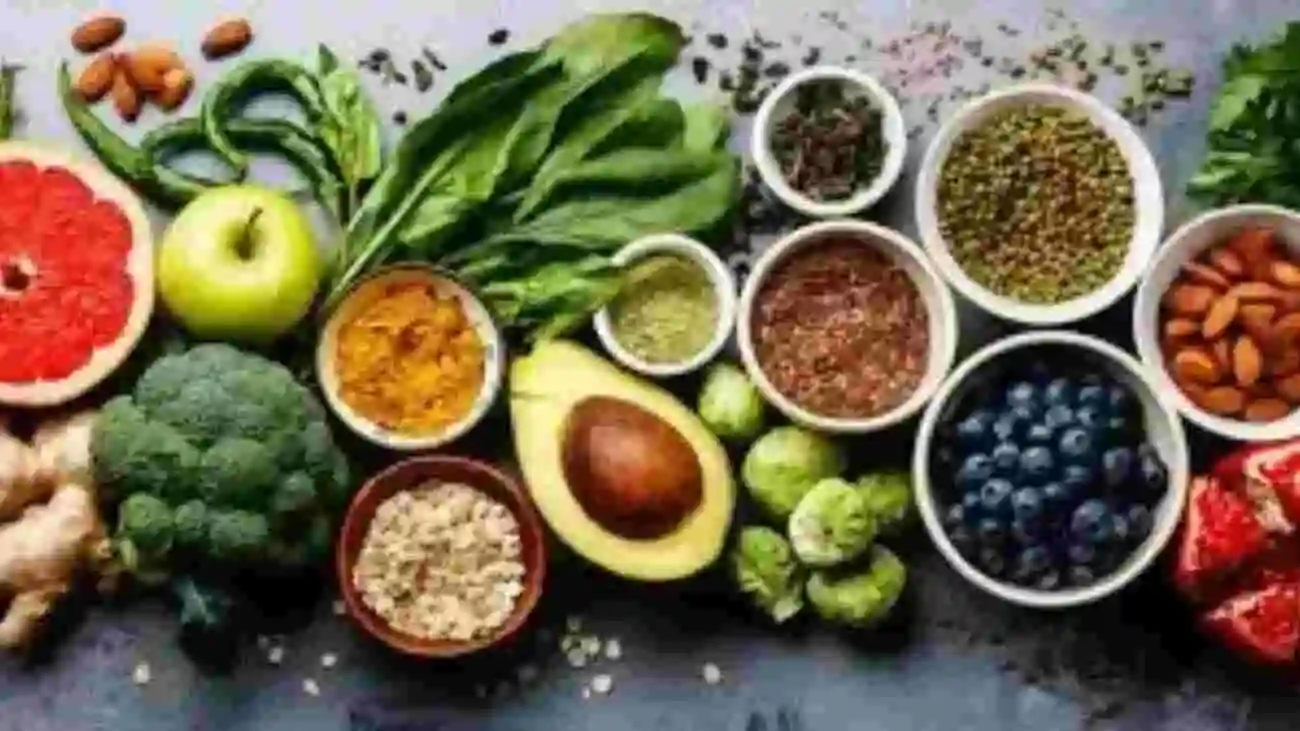
Nutritious and Tasty Food for Kids

Nutritious and Tasty Food for Kids: A Parent’s Guide to Healthy Eating

Ensuring that kids receive the right nutrition while enjoying their meals can be a challenging task for many parents. Children often prefer taste over health, but with the right strategies, you can strike the perfect balance between nutritious and tasty food. Here’s how you can ensure your kids eat well and enjoy every bite!

Why Nutrition Matters for Kids

Proper nutrition is vital for children’s growth, development, and overall health. A balanced diet provides the energy and nutrients they need to:

  • Build strong bones and muscles
  • Boost their immune system
  • Improve concentration and learning ability
  • Prevent childhood obesity and chronic illnesses

Key Nutrients Kids Need

To maintain a healthy diet, ensure your child’s meals include:

  1. Proteins: Essential for growth and repair, found in lean meats, eggs, beans, and dairy products.
  2. Carbohydrates: Provide energy and are found in whole grains, fruits, and vegetables.
  3. Healthy Fats: Support brain development, available in avocados, nuts, seeds, and fish.
  4. Vitamins and Minerals: Strengthen immunity and support overall health. Sources include fresh fruits, leafy greens, and dairy products.
  5. Fiber: Improves digestion, available in whole grains, fruits, and vegetables.

Making Nutritious Food Tasty

It’s not enough to serve healthy food; it needs to be appealing. Here are some creative ideas to make nutritious food delicious and exciting for kids:

  1. Fun Shapes and Presentations: Use cookie cutters to make sandwiches or fruits into fun shapes. A visually appealing plate is more inviting.
  2. Smoothies: Blend fruits, yogurt, and a touch of honey to create delicious smoothies packed with nutrients.
  3. Hidden Veggies: Add grated vegetables to pasta sauces, soups, or homemade patties. Kids won’t even notice!
  4. Homemade Snacks: Make baked veggie chips, granola bars, or fruit popsicles as healthier alternatives to store-bought snacks.
  5. Interactive Meals: Let kids build their own tacos, pizzas, or wraps using healthy toppings. They’ll enjoy the process and eat better.

Meal Ideas for Kids

Here are some meal suggestions that are both nutritious and kid-approved:

  • Breakfast: Whole-grain pancakes with fresh fruit and a drizzle of honey
  • Lunch: Grilled chicken or tofu wraps with a side of carrot sticks and hummus
  • Snacks: Greek yogurt with granola and berries
  • Dinner: Baked salmon with sweet potato fries and steamed broccoli
  • Dessert: Banana and peanut butter slices topped with a sprinkle of dark chocolate chips

Tips to Encourage Healthy Eating Habits

  1. Be a Role Model: Kids mimic what they see. If you eat healthy, they’ll likely follow suit.
  2. Involve Them: Let your kids participate in meal planning and preparation. This makes them more interested in what they eat.
  3. Set a Routine: Regular meal and snack times help kids develop a healthy relationship with food.
  4. Offer Choices: Provide a variety of healthy options so kids can pick what they like.
  5. Limit Sugary Drinks and Snacks: Encourage water, milk, or natural fruit juices instead of sodas and sugary beverages.

Healthy Foods to Eat in Winter: Boost Your Immunity and Stay Warm

Winter brings chilly weather and shorter days, but it also brings an opportunity to enjoy nutrient-rich foods that can keep you warm, healthy, and energized. The colder months demand foods that provide warmth and strengthen the immune system. Here’s a list of the best healthy foods to eat in winter and their benefits.

1. Citrus Fruits: Nature’s Immune Boosters

Oranges, lemons, grapefruits, and limes are packed with vitamin C, which strengthens the immune system and helps fight colds and flu. The antioxidants in citrus fruits also promote healthy skin, keeping it hydrated during the dry winter months.

2. Root Vegetables: Full of Nutrients

Root vegetables like carrots, sweet potatoes, turnips, and beets are rich in vitamins, minerals, and fiber. These veggies are perfect for hearty soups and stews, providing both warmth and nutrition. Plus, they are easy to store and last throughout the season.

3. Leafy Greens: Winter’s Powerhouses

Spinach, kale, collard greens, and mustard greens are full of iron, calcium, and vitamin K. These greens also contain antioxidants that help fight off infections. Add them to salads, soups, or smoothies for a healthy winter diet.

4. Nuts and Seeds: Energy-Packed Snacks

Almonds, walnuts, flaxseeds, and chia seeds are great sources of healthy fats, protein, and omega-3 fatty acids. These provide sustained energy and support heart health. They make for excellent snacks or toppings for oatmeal and yogurt.

5. Winter Squash: Loaded with Vitamins

Butternut squash, acorn squash, and pumpkin are rich in beta-carotene, which converts to vitamin A in the body. They are excellent for improving vision and boosting immunity. Roast them or use them in soups and purees for a cozy winter meal.

6. Ginger and Garlic: Natural Healers

Ginger and garlic are known for their anti-inflammatory and antibacterial properties. Ginger can help soothe a sore throat and improve digestion, while garlic boosts immunity and enhances flavor in various dishes.

7. Whole Grains: Stay Warm and Full

Whole grains like oats, quinoa, and brown rice are rich in fiber and complex carbohydrates. They keep you full for longer, provide energy, and help maintain a healthy digestive system. Enjoy them in porridge, salads, or as side dishes.

8. Pomegranates: A Seasonal Delight

Pomegranates are loaded with antioxidants, vitamins, and minerals. They improve heart health and reduce inflammation. Enjoy them as a snack, in salads, or as juice to reap their benefits.

9. Hot Herbal Teas: Warmth in a Cup

Winter calls for warm beverages, and herbal teas like chamomile, peppermint, and ginger tea are excellent choices. They keep you hydrated, improve digestion, and help you relax during cold nights.

10. Dark Chocolate: A Healthy Indulgence

Dark chocolate with at least 70% cocoa is a winter treat that’s rich in antioxidants. It improves mood, boosts brain function, and supports heart health. Enjoy it in moderation to satisfy your sweet cravings.

Tips for Eating Healthy in Winter

Cook Warm Meals: Opt for soups, stews, and baked dishes that keep you cozy

Stay Hydrated: Drink plenty of water, herbal teas, and soups to stay hydrated.

Eat Seasonal Produce: Choose locally grown, seasonal fruits and vegetables for maximum nutrients.


Nutritious food options for fasting (1) (1) (1) (1) (3) (1) (1) (1)

Nutritious food options for fasting

Nutritious Food Options for Fasting: A Comprehensive Guide Fasting is a common practice in many cultures and religions, and it can also be a great way to detoxify your body and improve overall health. However, during fasting periods, it’s crucial to choose nutrient-rich foods that keep you energized and healthy. In this article, we’ll explore some of the best nutritious food options for fasting to help you maintain balance and

1. Hydration is Key

Before diving into food options, remember that staying hydrated is essential during fasting. Water, coconut water, and herbal teas are excellent choices. Adding a pinch of Himalayan pink salt to water can help replenish electrolytes and prevent dehydration.

2. Fruits and Vegetables

Fruits and vegetables are rich in vitamins, minerals, and antioxidants, making them perfect for fasting periods. Some excellent options include:

  • Bananas: High in potassium and energy-boosting natural sugars.
  • Apples: Provide fiber and natural sweetness to keep you feeling full.
  • Cucumbers: Hydrating and low in calories.
  • Sweet Potatoes: Packed with complex carbohydrates and beta-carotene.

3. Nuts and Seeds

Nuts and seeds are excellent sources of healthy fats, protein, and essential nutrients. They are ideal for keeping your energy levels stable during fasting. Consider these options:

  • Almonds: High in vitamin E and magnesium.
  • Chia Seeds: Rich in omega-3 fatty acids and fiber.
  • Walnuts: Great for brain health and loaded with antioxidants.
  • Flaxseeds: A good source of plant-based omega-3s and lignans.

4. Dairy Alternatives

If you consume dairy during fasting, opt for healthier alternatives like:

  • Greek Yogurt: High in protein and probiotics.
  • Almond Milk: Low in calories and fortified with calcium.
  • Paneer (Cottage Cheese): A good source of protein and calcium.

5. Whole Grains

For those observing fasts that allow grains, whole grains provide sustained energy. Options include:

  • Quinoa: A complete protein and rich in fiber.
  • Buckwheat: Gluten-free and high in antioxidants.
  • Brown Rice: A healthier alternative to white rice, providing complex carbohydrates.

6. Healthy Fats

Incorporate healthy fats into your diet to stay satiated longer. Some great options are:

  • Avocado: Packed with monounsaturated fats and potassium.
  • Coconut: Offers medium-chain triglycerides (MCTs) for quick energy.
  • Ghee (Clarified Butter): A traditional choice in many fasting diets, rich in fat-soluble vitamins.

7. Legumes and Lentils

If your fasting rules allow, legumes and lentils are excellent sources of plant-based protein and fiber:

  • Moong Dal (Green Gram): Easy to digest and nutrient-rich.
  • Chickpeas: A versatile option for soups and salads.

8. Herbs and Spices

Enhance the flavor and nutritional value of your fasting meals with herbs and spices:

  • Turmeric: Known for its anti-inflammatory properties.
  • Cumin: Aids digestion and adds a rich aroma.
  • Coriander: Refreshing and detoxifying.
  • Black Pepper: Enhances nutrient absorption.

9. Natural Sweeteners

For those who crave something sweet, opt for natural sweeteners instead of refined sugar:

  • Honey: Packed with antioxidants and has antimicrobial properties.
  • Dates: A natural source of energy and rich in essential minerals.
  • Jaggery: A traditional sweetener loaded with iron and other nutrients.

10. Easy-to-Make Recipes

Here are a few simple and nutritious recipes to try during fasting:

  • Fruit Salad with Chia Seeds: Mix your favorite fruits with a tablespoon of chia seeds and a drizzle of honey.
  • Quinoa Salad: Combine cooked quinoa with cucumbers, tomatoes, and a squeeze of lemon.
  • Sweet Potato Chips: Bake thinly sliced sweet potatoes with a sprinkle of salt and olive oil

Healthy breakfast ideas to start the day (1) (1)

Healthy breakfast ideas to start the day

Healthy Breakfast Ideas to Start the Day

A healthy breakfast sets the tone for the rest of the day, fueling your body and mind with essential nutrients. Skipping breakfast can leave you feeling sluggish, while a nutritious morning meal can boost energy levels, improve focus, and support overall well-being. Here are some healthy breakfast ideas to help you kickstart your day on the right note.

1. Overnight Oats

Overnight oats are a quick and convenient option for busy mornings. Simply mix rolled oats with your choice of milk or yogurt, add a sweetener like honey or maple syrup, and top it with fruits, nuts, or seeds. Let it sit in the refrigerator overnight, and you’ll wake up to a delicious, ready-to-eat meal rich in fiber and protein.

2. Avocado Toast with Eggs

Avocado toast is a trendy and nutritious choice. Spread mashed avocado on whole-grain toast and sprinkle it with a pinch of salt and pepper. Top it with a poached or scrambled egg for added protein. You can also add extras like cherry tomatoes, chili flakes, or a drizzle of olive oil.

3. Smoothie Bowls

Smoothie bowls are both nutritious and Instagram-worthy. Blend frozen fruits like bananas, berries, or mangoes with milk or yogurt until thick and creamy. Pour the smoothie into a bowl and garnish with granola, chia seeds, coconut flakes, and fresh fruits for a vibrant, nutrient-packed breakfast.

4. Greek Yogurt Parfait

Layer Greek yogurt with granola and fresh fruits like strawberries, blueberries, or kiwi for a quick and healthy breakfast. Greek yogurt is high in protein, while the fruits provide essential vitamins and antioxidants. Add a drizzle of honey or a sprinkle of nuts for extra flavor and crunch.

5. Veggie-Packed Omelette

An omelette loaded with vegetables is a great way to include more greens in your diet. Whisk eggs with a splash of milk, pour them into a hot skillet, and add chopped vegetables like spinach, bell peppers, onions, and mushrooms. Fold the omelette and serve with whole-grain toast or a side of avocado.

6. Chia Seed Pudding

Chia seed pudding is a versatile and nutritious option. Mix chia seeds with your choice of milk, add a natural sweetener, and let it sit in the refrigerator overnight. In the morning, stir well and top it with fresh fruits, nuts, or a dollop of nut butter for a creamy and satisfying meal.

7. Whole-Grain Pancakes

Swap traditional pancakes for whole-grain or oatmeal-based versions. Use whole-grain flour or oats as the base, and sweeten the batter with mashed bananas or applesauce. Serve with fresh fruits, a dollop of Greek yogurt, and a drizzle of pure maple syrup for a healthier twist.

8. Nut Butter Toast with Banana Slices

Spread almond or peanut butter on whole-grain toast and top it with banana slices. This combination is a great source of healthy fats, protein, and carbohydrates, keeping you full and energized throughout the morning.

9. Breakfast Burrito

Wrap scrambled eggs, black beans, avocado, and a sprinkle of cheese in a whole-grain tortilla. Add salsa or hot sauce for extra flavor. This portable breakfast is packed with protein, fiber, and healthy fats, making it a satisfying option.

10. Quinoa Breakfast Bowl

Quinoa isn’t just for lunch or dinner—it’s a great breakfast option too. Cook quinoa and mix it with almond milk, cinnamon, and a touch of honey. Top it with nuts, seeds, and fruits for a hearty and nutrient-dense meal.

Tips for a Healthy Breakfast

  • Plan Ahead: Prepare ingredients the night before to save time in the morning.
  • Balance Your Meal: Include a mix of protein, healthy fats, and carbohydrates for sustained energy.
  • Stay Hydrated: Start your day with a glass of water or herbal tea to rehydrate your body.
  • Limit Sugary Options: Choose natural sweeteners and avoid heavily processed breakfast items.

Incorporating these healthy breakfast ideas into your routine can make a big difference in how you feel throughout the day. Remember, breakfast is the most important meal of the day—so make it count!

5 healthy foods for better health (4)

5 healthy foods for better health

. Leafy Green Vegetables

Leafy greens like spinach, kale, and Swiss chard are nutrient powerhouses. Packed with vitamins A, C, and K, as well as minerals like iron and calcium, they help boost immunity, improve bone health, and support better digestion. Their high fiber content also keeps you feeling full and aids in weight management. Add them to salads, smoothies, or stir-fries for a healthful boost.

2. Berries

Berries such as blueberries, strawberries, and raspberries are not only delicious but also rich in antioxidants. These tiny fruits help combat free radicals in the body, reducing the risk of chronic diseases like cancer and heart disease. They’re also a great source of vitamin C and fiber. Enjoy them as a snack, in yogurt, or blended into a smoothie.

3. Nuts and Seeds

Almonds, walnuts, chia seeds, and flaxseeds are packed with healthy fats, protein, and essential nutrients. They’re excellent for heart health, brain function, and reducing inflammation. Omega-3 fatty acids in nuts and seeds can lower bad cholesterol levels and support healthy skin. Include a handful of these as a snack or sprinkle them over your meals.

4. Fatty Fish

Salmon, mackerel, and sardines are rich in omega-3 fatty acids, which are essential for heart and brain health. These healthy fats can help reduce inflammation, lower the risk of heart disease, and improve mental clarity. Fatty fish is also a great source of high-quality protein and vitamin D. Aim to include fatty fish in your meals at least twice a week.

5. Whole Grains

Whole grains like quinoa, brown rice, and oats are excellent sources of complex carbohydrates, fiber, and essential nutrients like B vitamins and magnesium. They help regulate blood sugar levels, improve digestion, and provide sustained energy throughout the day. Swap refined grains with whole-grain options for a healthier diet.

5 healthy foods for better health

5 healthy foods for better health

Maintaining a healthy lifestyle begins with what you put on your plate. Incorporating nutrient-rich foods into your daily diet can significantly improve your overall health and well-being. Here are five healthy foods that can work wonders for your body:

1. Leafy Green Vegetables

Leafy greens like spinach, kale, and Swiss chard are nutrient powerhouses. Packed with vitamins A, C, and K, as well as minerals like iron and calcium, they help boost immunity, improve bone health, and support better digestion. Their high fiber content also keeps you feeling full and aids in weight management. Add them to salads, smoothies, or stir-fries for a healthful boost.

2. Berries

Berries such as blueberries, strawberries, and raspberries are not only delicious but also rich in antioxidants. These tiny fruits help combat free radicals in the body, reducing the risk of chronic diseases like cancer and heart disease. They’re also a great source of vitamin C and fiber. Enjoy them as a snack, in yogurt, or blended into a smoothie.

3. Nuts and Seeds

Almonds, walnuts, chia seeds, and flaxseeds are packed with healthy fats, protein, and essential nutrients. They’re excellent for heart health, brain function, and reducing inflammation. Omega-3 fatty acids in nuts and seeds can lower bad cholesterol levels and support healthy skin. Include a handful of these as a snack or sprinkle them over your meals.

4. Fatty Fish

Salmon, mackerel, and sardines are rich in omega-3 fatty acids, which are essential for heart and brain health. These healthy fats can help reduce inflammation, lower the risk of heart disease, and improve mental clarity. Fatty fish is also a great source of high-quality protein and vitamin D. Aim to include fatty fish in your meals at least twice a week.

5. Whole Grains

Whole grains like quinoa, brown rice, and oats are excellent sources of complex carbohydrates, fiber, and essential nutrients like B vitamins and magnesium. They help regulate blood sugar levels, improve digestion, and provide sustained energy throughout the day. Swap refined grains with whole-grain options for a healthier diet.